How to Use Word Search Puzzles as a Simple Mindfulness Practice
Use word search puzzles to slow down, focus gently, and find calm and all without any meditation experience required.

Mindfulness doesn’t always have to mean sitting still, closing your eyes, or trying to quiet your thoughts completely. For many people, especially those who find traditional meditation challenging, mindfulness works best when the hands and mind are gently occupied.
That’s where word search puzzles come in.
Word searches are familiar, low-pressure, and quietly absorbing. When approached with intention, they can become a simple and effective mindfulness practice, helping you slow down, focus your attention, and enjoy a moment of calm away from screens and distractions.
In this post, you’ll learn exactly how to use word search puzzles as a simple mindfulness practice, even if you’ve never considered yourself a “mindful” person before.
Step 1: Set the Scene for Calm Focus
Mindful word searching begins before you even look at the puzzle.
Take a moment to create a comfortable, unrushed environment:
- Choose a quiet, cosy space
- Sit somewhere supportive and relaxed
- Make yourself a warm drink if you like
- Put your phone on silent or out of reach
You don’t need total silence; soft background noise or gentle music is fine. Aim for a setting where you are unlikely to be distracted.
This small act of preparation signals to your brain that it’s time to slow down.
Step 2: Choose the Right Type of Word Search
Not all puzzles feel mindful.
For a calm experience, look for word searches that are:
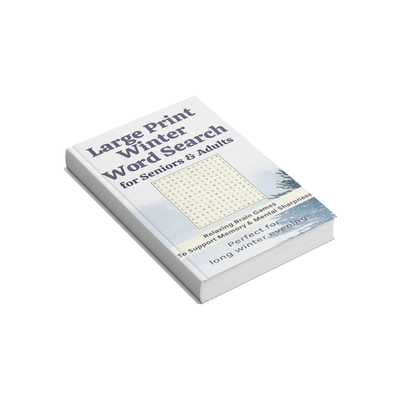
- Large print (easier on the eyes)
- Themed around gentle or positive topics (seasons, nature, memories, simple pleasures)
- Moderate in difficulty — not rushed, nor frustrating
The goal isn’t speed or challenge. It’s a gentle engagement.
If you notice tension building while solving, that’s a sign the puzzle may be too complex for a mindful session.
Step 3: Begin with a Pause
Before you start searching for words, pause for just a few seconds.
- Take one slow breath in
- Exhale gently
- Let your shoulders soften
There’s no need to “clear your mind.” Start where you are.
This brief pause helps shift your attention away from mental noise and into the present moment.
Step 4: Search Slowly and Intentionally
As you begin the puzzle, let go of the idea of finishing quickly.
Instead:
- Scan the grid slowly
- Let your eyes move naturally
- Notice the shapes and patterns of letters
If your mind wanders (and it will), gently bring your focus back to the puzzle, without judgment.
This act of noticing and returning is mindfulness in action.
Step 5: Use Your Senses
To deepen the mindful experience, tune into what’s happening around you:
- The feel of the pen or pencil in your hand
- The sound it makes on the paper
- The texture of the page
- Your breathing as you search
Word searches work well for mindfulness because they anchor your attention in something simple and tangible.
Step 6: Let Go of Perfection
You don’t need to complete the puzzle in one sitting.
You don’t need to find every word.
Mindful puzzle time isn’t about achievement, it’s about presence.
If you feel calm after five minutes, that’s enough. If you want to continue longer, that’s fine too.
Step 7: Close the Practice Gently
When you decide to stop:
- Take a final look at the puzzle
- Notice how you feel compared to when you started
- Stretch your hands or shoulders gently
This reflection helps reinforce the sense of calm and makes the practice feel complete.
How to Make This a Simple Daily Habit
You don’t need a long session to benefit.
Try:
- One puzzle in the morning to start the day calmly
- A short session in the afternoon as a mental reset
- A cosy evening puzzle instead of screen time
Consistency matters more than duration.
Final Thoughts
Word search puzzles are more than just a pastime. When used with intention, they can become a gentle mindfulness practice that fits easily into everyday life.
If you’ve struggled with traditional mindfulness techniques, this approach offers a kinder, more approachable alternative, one that encourages calm focus without pressure.
Sometimes, slowing down starts with something as simple as searching for a word.
Tip: If you enjoy this approach, choosing thoughtfully designed word search books with calming themes and readable layouts can make the experience even more relaxing.